
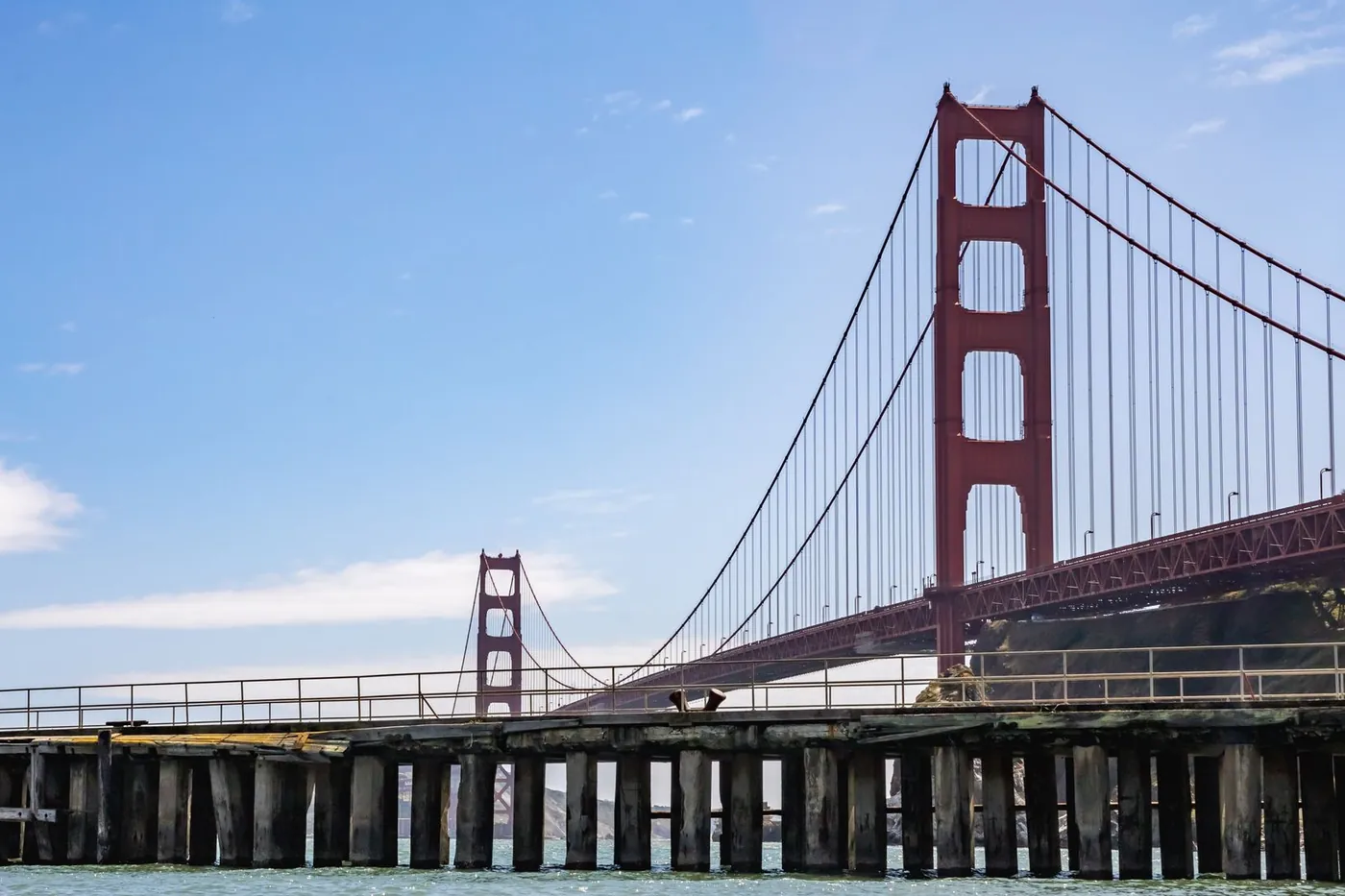
Buying a home in
Bay Area
The Bay Area is where many Europeans arrive on a technology contract and meet the most expensive housing in the country. The usual tools still work, but prices push most house purchases past the standard loan limit, and Proposition 13 and earthquake risk change what ownership really costs.
Everything about buying in San Francisco Bay Area
Short answers on this page. The full guide has the detail, the figures and the sources.
The purchase and the loan
How a purchase runs here and which loans fit.
- What homes cost
- Financing: jumbo loans and stock pay
- How closing works in California
- Flats, condominiums and tenancies in common
Prices, taxes and insurance
What homes cost and what you pay on top.
- Property tax: Proposition 13 resets at your purchase price
- Earthquake, wildfire and insurance
- Tax if you live in Europe
Letting and living
Rental rules, local life and how to get there.
- If you plan to let it
- Getting home
Who moves here from Europe
The Bay Area is where technology employers in San Francisco, along the Peninsula and around San Jose recruit internationally, and many European arrivals come on temporary work visas. A typical arrival holds an H-1B, L-1 or O-1 visa, is paid in a mix of salary, bonus and company shares, and has no US credit history. That household can obtain a conventional mortgage, but it takes preparation, and the way a lender counts share awards matters more here than almost anywhere else. See how your visa decides the loan.
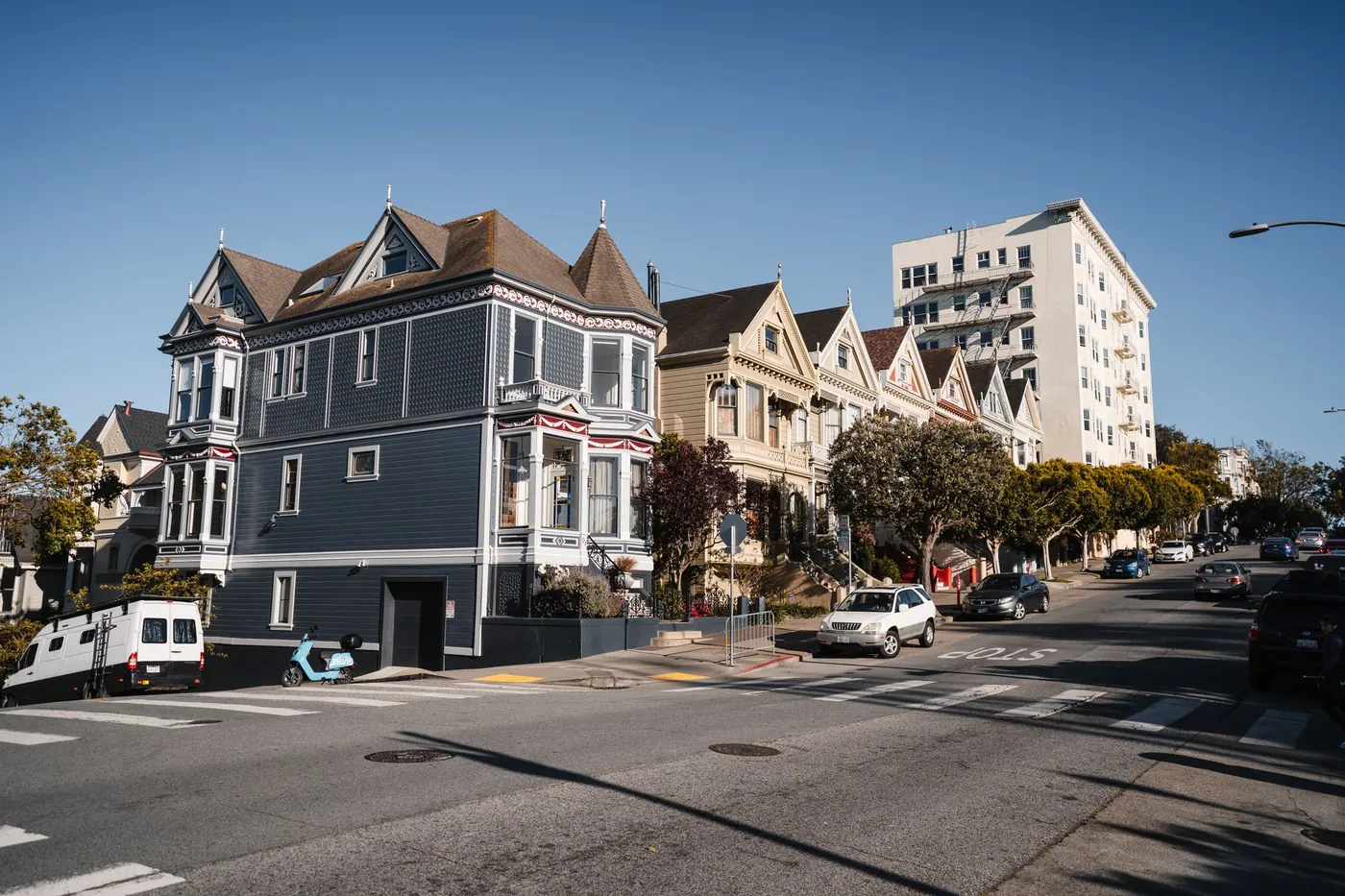
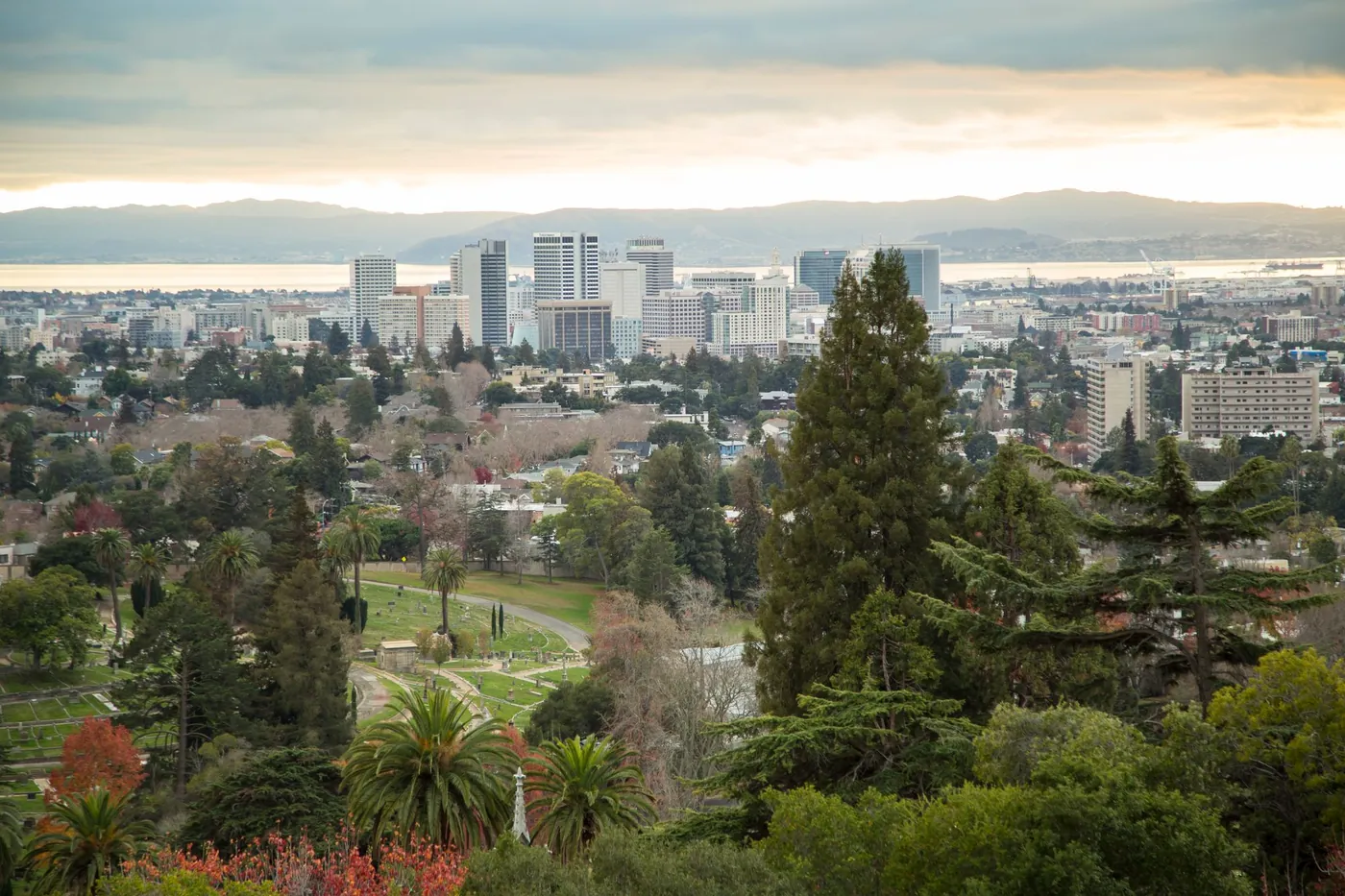
"The Bay Area" is also several markets. San Francisco is a dense city where flats are common. On the Peninsula, in San Mateo County, and in Silicon Valley, in Santa Clara County, median house prices were $2,250,000 and $1,900,000 in August 2026. The East Bay, in Alameda and Contra Costa counties, is cheaper.
The Bay Area at a glance
Figures last checked:
This is not a lending decision: a US specialist confirms what applies to your own situation.
| Median sale price | Existing single-family houses, August 2026: San Francisco $1,875,000, Santa Clara $1,900,000, San Mateo $2,250,000, Alameda $1,285,000 (California Association of Realtors). |
|---|---|
| Loan limit 2026 | $1,249,125 for a one-unit home in San Francisco, San Mateo, Santa Clara, Alameda and Contra Costa counties (FHFA). Above that is a jumbo loan. |
| Property tax | San Francisco combined rate 1.18268% of assessed value for the fiscal year ending June 2026. Assessed value resets to market value at a sale, then rises by at most 2% a year (San Francisco Board of Supervisors; State Board of Equalization). |
| Earthquake risk | 72% chance of at least one magnitude 6.7 or larger earthquake in the Bay region before 2043 (USGS, 2014 forecast). A standard homeowners policy does not cover it in most cases (California Earthquake Authority). |
| Short-term rental | San Francisco: only for the permanent resident of the unit, who must live there 275 nights a year and may let it unhosted for at most 90 nights (San Francisco Planning, read October 2026). |
| Flights home | Nonstop from SFO to 15 European airports, 3 of them seasonal (SFO, as of September 2026). San Jose lists none in Europe. |
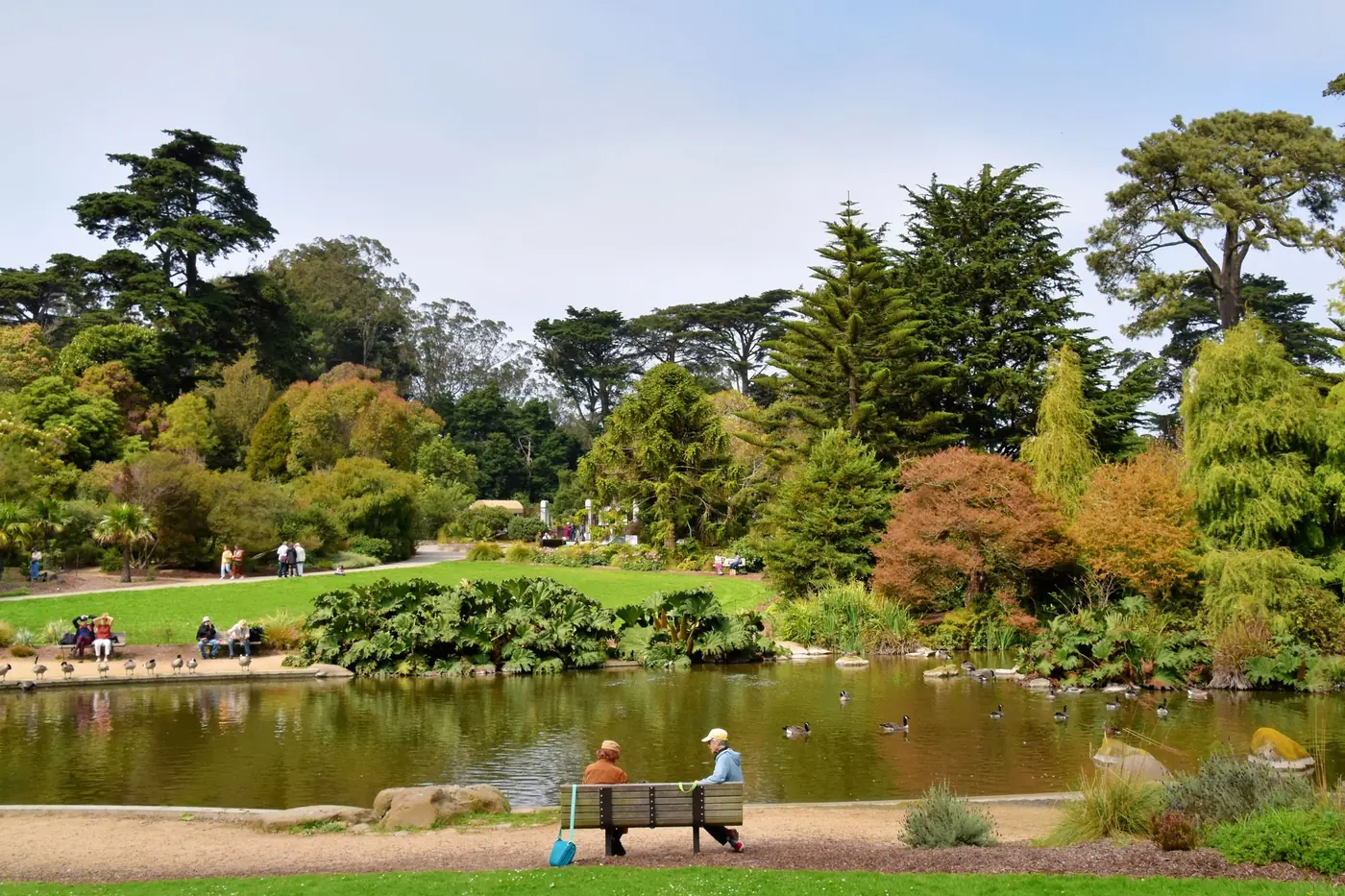
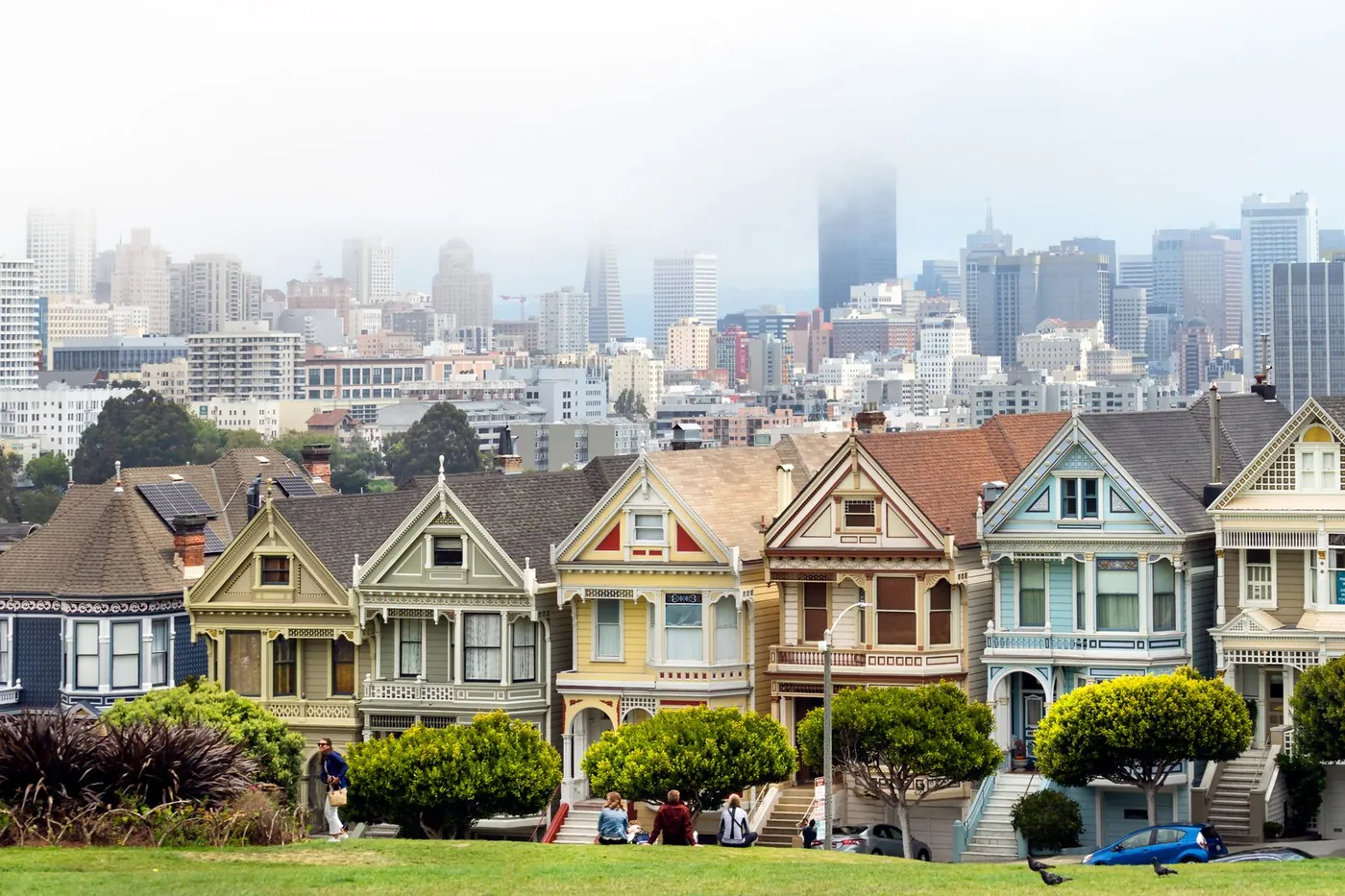
Before you make an offer in the Bay Area
- Get a pre-approval from a lender that handles jumbo loans and your visa, and ask how it counts restricted stock.
- Compare the loan with the $1,249,125 conforming limit for the county.
- Estimate property tax at your purchase price and the local rate, and set aside the supplemental bill.
- Ask whether the home is in a Mello-Roos district and request the notice.
- Read the natural hazard disclosure for earthquake fault zones, flood zones and state responsibility areas for fire.
- For a house built before 1960, read the statement on anchor bolts, cripple walls and rooms above a garage.
- Get quotes for earthquake and fire insurance before you commit, and note the deductible.
- For a flat, read the association's budget and minutes and the building's insurance, and ask whether the lender will lend on that building.
- Do not count on short-term rental income for a home you do not live in.
- Ask a cross-border tax adviser about the net-income election and estate tax before you buy.
- 100+people choose us every month
- 5permanent team members
- 10+specialists in our network
- 15+collaborating partners
And we are still growing. More about us
Our network and collaborating partners:









Start your scan for San Francisco Bay Area
Share the outline of your plans. A US specialist who knows this area will come back to you, without obligation.
Questions people moving from Europe ask
Ready to start?
Tell us about your plans and a US specialist who knows San Francisco Bay Area will come back to you.
Start my mortgage scanSources (16)
Figures and rules on this page were checked against these sources on 4 October 2026. Rates, prices and local rules change, so confirm anything you rely on before you commit.
- FHFA, conforming loan limits for 2026 (county list)
- California Association of Realtors, August 2026 home sales and price report
- California State Board of Equalization, California Property Tax: an overview (Publication 29, March 2025)
- City and County of San Francisco, Resolution 447-25, property tax rate for fiscal year 2025-2026
- California Department of Real Estate, surviving the escrow process
- California Department of Real Estate, Real Estate Reference Book, chapter 20 (contract provisions and disclosures)
- USGS, Earthquake Outlook for the San Francisco Bay Region 2014 to 2043 (Fact Sheet 2016-3020)
- California Earthquake Authority, earthquake insurance policies
- California Department of Insurance, wildfire recovery and readiness
- San Francisco Planning, become a certified short-term rental host
- Fannie Mae Selling Guide B3-3.3-07, restricted stock units and restricted stock employment income
- IRS, nonresident aliens and real property located in the US
- IRS, FIRPTA withholding
- IRS, some nonresidents with US assets must file estate tax returns
- San Francisco International Airport, nonstop service (as of September 2026)
- San Jose Mineta International Airport, nonstop destinations