

Mortgages for the American dream!

Request a no-obligation specialist match today and receive personal advice!

English-speaking
15+ affiliated partners
25+ years' experience

Who is Europe America Mortgage for?

Most questions come from one of three situations. If you recognise yours, you are in the right place.

Relocating for work or family

You are moving on an employer-sponsored visa, with a green card, or through family immigration. Your status decides which US loans are open to you, so the finance plan follows the immigration plan rather than the other way round.

Discuss my move →

Investors and business owners

You are building a business in the United States, for example as an E-2 treaty investor, and want a home near it. Worth knowing early: buying a home itself grants no visa, so the property and the immigration route each need their own plan.

Talk through my plans →

Buyers with savings or equity in Europe

You have savings or equity in a European home set aside for this. Now you want to know how to transfer the down payment, handle the currency and show a US lender exactly where the funds come from.

Explore how far my funds go →
Aerial view of a beach town on the North Carolina coast

How do you finance a US home when you are moving from Europe?

The good news first: you do not need to be a US citizen to buy a home in the United States. Non-US citizens can legally buy property there, and lenders do lend to people who have only just arrived.

The order of steps is what catches people out. In Europe you usually start with the house and the bank. For a move to the US you start with your immigration status, because that decides which loans a lender can offer you. Europe America Mortgage helps you map the realistic routes before you commit, and connects you with the right specialists: a licensed US lender, an immigration attorney and a cross-border tax adviser where needed.
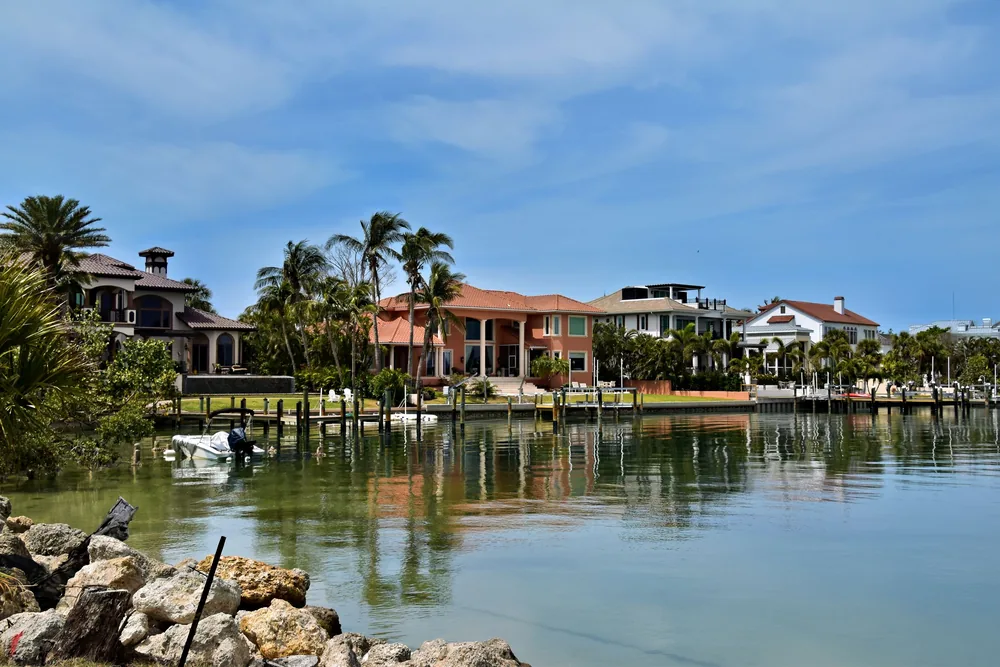

Waterfront homes with private docks in Sarasota, Florida

Your status decides the loan, not the other way round

Buying a home does not give you a visa, residency or a green card. It works the other way: the status you move with determines what you can borrow. With a green card you are assessed much like a US citizen. On a temporary work visa, conventional loans remain available, since Fannie Mae buys mortgages to lawfully present non-permanent residents on the same terms as citizens.

One route did close recently. Since 25 May 2025, non-permanent residents are no longer eligible for FHA-insured loans. And if you buy before you have US residency, lenders usually offer foreign national loans instead, with a larger down payment and a higher rate. All of it remains subject to lender assessment.

Aerial view of Charleston, South Carolina, with the Arthur Ravenel Jr. Bridge

Plan for euros, dollars and closing costs

Your savings and any equity are most likely in euros or another European currency, while the price, the loan and every monthly payment will be in dollars. Exchange-rate movements between now and closing can change how far your down payment goes, so decide how and when you convert rather than leaving it to the last week.

Closing costs are the second surprise. They typically come to 2 to 5 per cent of the purchase price and are paid on top of the down payment. After that, property taxes and homeowners insurance recur every year, often collected monthly through an escrow account, and property tax varies a great deal between states and even between neighbouring counties.

Sailboats in San Diego Bay with the downtown skyline behind

Support beyond the mortgage

A US purchase brings in a real estate agent, a lender, an appraiser, a title company and an escrow or closing agent, each with their own paperwork. As a newcomer you face one extra hurdle: your European credit history does not transfer to a US credit score. Some lenders accept an international credit report or alternative documentation instead, so choosing the right lender early matters.

Our cross-border network works in English and can help you line up the right professionals for your situation.

  • mortgage feasibility and application preparation;
  • documents that show your income, savings and source of funds;
  • introductions to licensed US lenders, immigration attorneys and cross-border tax advisers where appropriate;
  • currency and transfer planning for the down payment;
  • practical guidance for buyers new to the US system.
Screened pool terrace at a family home in Florida

Mortgage guidance for a move to Florida, Texas, California, the Carolinas or New York

The United States is not one housing market. A lakeside home near Orlando, a house in the suburbs of Austin and an apartment in New York come with very different running costs, because property tax is set locally, and insurance costs, homeowners association fees and closing practice can all differ from one place to the next.

Our guidance covers the whole country. It helps people living in the European Union compare the loan types open to their status, the cash needed for the down payment and closing, and the yearly costs of the area they have in mind, before they sign a purchase contract.

Tijmen Box
Tijmen
Box
Bas Terpstra
Bas
Terpstra
Selma Khudeir
Selma
Khudeir

Howdy!

Meet an approachable team that listens first, explains the move from European to US home finance in clear English and brings in the right American expertise for your circumstances.

Our network and collaborating partners:

US mortgage scan

Understand which loans fit your status, how much cash you need and what to arrange first, before you sign a purchase contract.

Start my mortgage scan

Client experiences

What people value most when moving countries is a clear order of steps, an honest view of what is affordable and someone who explains it in a language they understand.

We average 5 stars on Google Reviews

Named reviews come from our Google profile, translated. Other clients gave their feedback directly and asked not to be named.

US mortgage questions from people moving from Europe

Visa categories, credit scores and closing costs can feel unfamiliar. These answers are a starting point, not a lending decision or personal legal, tax or immigration advice.

Neighbourhoods of Charleston, South Carolina, seen from the air

What people moving from Europe usually ask

All figures shown are general orientation for 2026 and are expressly not an offer. All lending is subject to your immigration status, credit, income, appraisal and lender criteria. We do not give legal, tax or immigration advice; please consult a licensed US lender, an immigration attorney and a cross-border tax adviser. Any property securing a loan may be at risk if payments are not made.

Start with financial clarity

Before you book house-hunting trips or sign a purchase contract, establish which loans fit your status, how much cash you need and which route deserves a closer look.

Start by choosing the EU country you live in, then share the outline of your plans. Your initial review can identify likely constraints, useful documents and the specialist you need next. It is not a mortgage offer, but it gives your search a sounder basis, and a first conversation with a specialist carries no obligation.